

Grief and creativity, reborn
Honouring my mother by honouring myself, and taking my own advice

I was there as she passed away 16 days after her 91st birthday, after a long, exhausting, painful fight with multiple chronic illnesses.
Cancer, kidney failure, diabetes, more cancer, arthritis, high blood pressure, and yes, another, different type of cancer. Issues with her physical and cognitive decline were all boiled up into a wretched stew of illnesses that took my mum from the feisty, fearsome, independent woman that she was, to a frail, helpless person who needed constant round-the-clock care. It’s one thing that society never really talks about, and that is the huge possibility that one day you may have to become a carer for your ailing parents. This, after possibly rearing your own children: as one generation grows up and starts to find their own way in the world, another begins to decline, and there you are, right in the middle of it. Society will talk about parenthood and relationships, and marriage and breakups and friendships, but where are the conversations about being your parents’ carer? Where is the support when your own health is coming apart? How do you prepare to watch your parent decline physically and mentally and having to undertake tasks that no parent would ever want their child to do? I wasn’t prepared. I simply went along with it because I had to.
I’ve parented and I’ve cared and now I no longer have to consider someone else’s welfare when planning my life, but I don’t know what that looks like.
A few weeks ago a friend and I had our annual pilgrimage to Photo London. I was mentally preparing for the following Sunday to be one of caring duties, inevitable family tension and exhaustion before having to go back to work on Monday when just as quickly came the thought that I don’t have to do that anymore. Mum’s gone. The house has gone. So what do I do now?
Mum arrived in the UK alone from Jamaica in 1961 to join her husband - my dad - who had emigrated a few years earlier. Part of the Windrush generation, he arrived here with dreams of a promised land brimming with opportunities and the chance to build a better life for himself and his wife than was available in the economically struggling Caribbean. They initially lived in an inner-city area, but were eventually offered a flat on a new estate on the other side of the city. They moved in, began to raise a family, and build a life near a small community fellow Windrushers. Fast forward decades later to my first experience of real loss. That miserable Boxing Day when my dad took his last breath is like an itch I can’t stop scratching because I wasn’t there when he left this world. Knowing his end was near, a family friend had visited to offer emotional support, and later that evening I walked her to the bus stop. When I returned, he had gone. I was 19 years old.
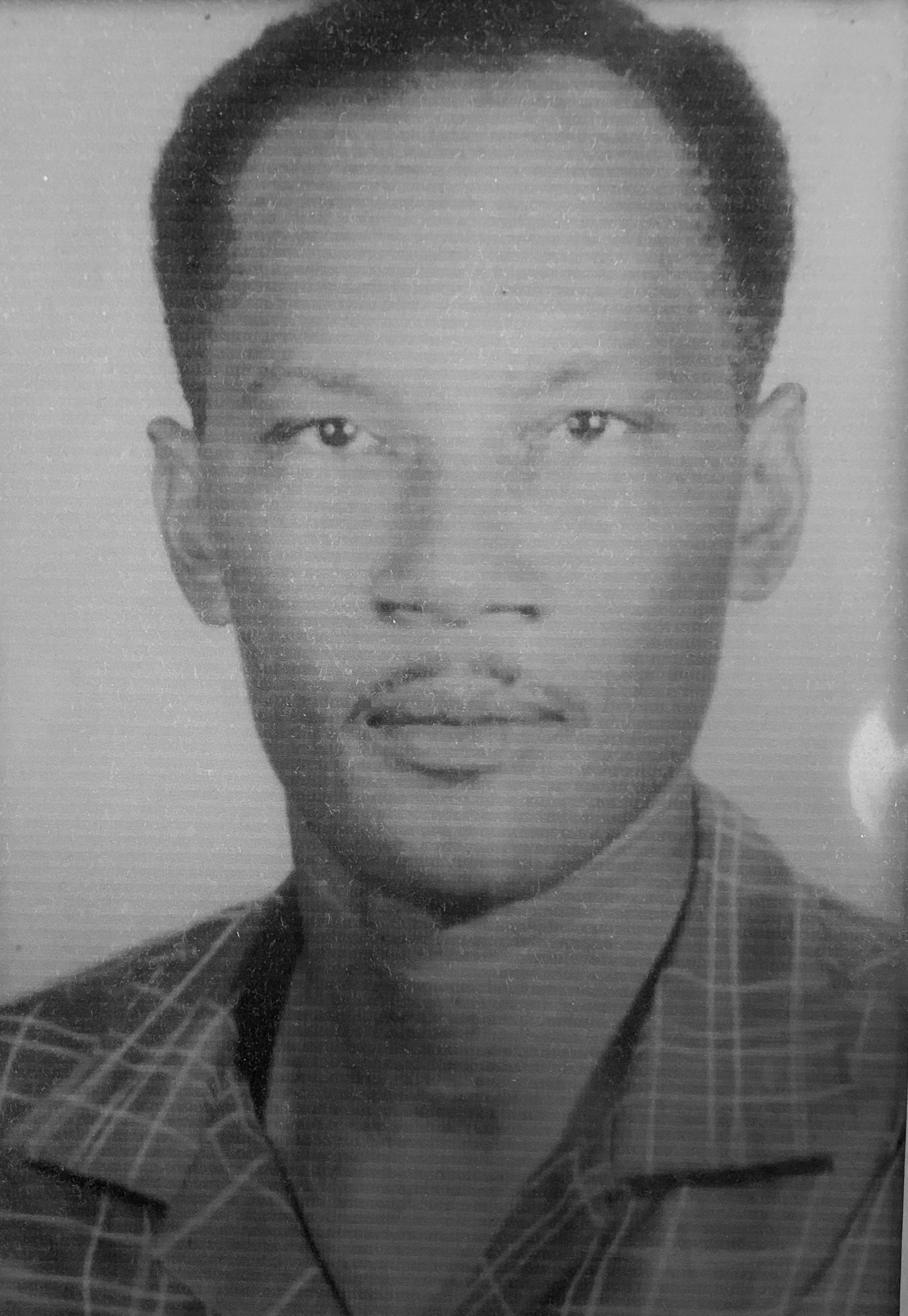
He received his diagnosis of lung cancer in October. The cancer was spiteful and aggressive and whittled my dad away to bone and not much else. Less than two months later, he died. My sisters and I were in our formative years, and my quiet, awesome dad, maker of the best bacon sandwiches around and stealer of biscuits, was no longer around. I was too young to lose my dad. I never had the chance to have him come round to my house to fix things or to mow the garden while I was out (do dads do those things?), or worst of all, meet his grandchildren. It was devastating. And if I’m honest, it blighted Christmases for me for many years to come, even after I became a parent myself. But if there was one blessing, it was that it was quick.
Mum’s health, however, was a completely different ball game.
It was a slow drip of decline. Little by little she began to stop doing her favourite hobbies because she couldn’t manage them anymore. She was an avid gardener and grew an enormous sunflower that she was proud of. She used to knit, crochet, and sew, all of which required a level of dexterity that her joints were no longer capable of. She used to be an avid baker and would bake these amazing fruitcakes at Christmas. After having fed the dried fruit mixture with some really potent Jamaican rum for the previous nine months, she would then make and and gift these cakes to the community, and they loved them. They were rich and fruity and quite possibly would put you over the alcohol legal driving limit. She was still hopeful that she could do the things that she loved, and she bought many gadgets that she thought would help. She bought a variety of choppers, whisks, beaters, blenders, and appliances, every gizmo that you could think of, but ultimately none of them helped her in the way that she needed, so she stopped trying. She then delved into the world of puzzles. She loved Scrabble as she said it kept her mind sharp, and she also loved her digital jigsaw puzzles and felt proud when the last piece locked into place, and rewarded her with a little ding! sound. Her favourite pastime, however, her number one love, was reading.
When she had her first Kindle back in 2011, she was like a little kid in a sweet shop. She was delighted at the idea that she could have an almost infinite amount of books in one little handheld device. She she talked endlessly about how amazing the Kindle was, and I, also an avid reader at the time, thought, “I’m going to have one of those,” and I bought one, and I loved it. So we would bang on about which books we had bought, which books that we wanted to buy, which books that we were on our to-be-read pile, that we would get around to someday. It absolutely transformed her. She could get all the books that she wanted and she didn’t even have to leave her favourite armchair. So she sat, and she downloaded book after book, and she was happy. The spark was back. Mum was back. But soon, even that became a challenge. Her mental faculties started going, and as she couldn’t always remember how to navigate the Kindle store, my niece took became responsible for Kindle purchases. Eventually it was clear that she just couldn’t function on her own anymore. So we all became responsible for certain tasks; grocery shopping, house shopping, utilities, banking and so on. She was living alone in a three-bedroomed house, until one severe illness after another meant that she had to have a care package to support her.
And that’s when the real stress began, because as well as caring for our mum, myself and my siblings had to think about our own families and our own lives and how to manage it all with full-time jobs and homes of our own.
The constant round of hospital appointments, medication updates, diagnoses, GP letters, and healthcare visitors was exhausting. Trying to keep her positive in the face of all evidence to the contrary was exhausting. Coordinating schedules with the family to ensure Mum was not alone was exhausting. Then in 2025, there was a sharp decline, starting with a fall in the summer, followed by a stay in hospital, then a further stay in November. By that point, there was a lot of medical equipment in the house, including a hospital bed, because she was no longer capable of walking up and down the stairs.
It all came to a head at the beginning of January this year.
We had to call 999 and then when the paramedics came and asked her questions about pain, symptoms, and her general health, she masked some of her symptoms to the paramedics. That annoyed me somewhat, but I understood why: she was afraid that if she was went in to hospital, she might never come out again. She was admitted to hospital and was given her own room. It gave her a degree of privacy, but mum was a gregarious person and thrived when she had company. So, on top of the physical illnesses and the cognitive decline, she also sunk into a bout of depression. She felt isolated, alone. She wanted to go home. The food was awful. She was bedridden. She wasn’t strong enough to even hold up the Kindle at that point; her beloved Kindle became a challenge. Then came a little hope. We were told that she’d been allocated a bed in another hospital across town. A nurse told me that it was more suited for people of her age and with her illnesses. That perked her up somewhat.
Two days later, she was in her new room, but again, she was in a room on her own. But we tried to boost her up by saying, listen, when you’re strong enough, if you eat all your food and drink all your drinks and get your strength up, you can go in the day room, and it’s got a telly, and books, and tables, and you can do puzzles and chat with your friends, chat with some of the other residents, and it’ll be nice until you’re strong enough to come back home.
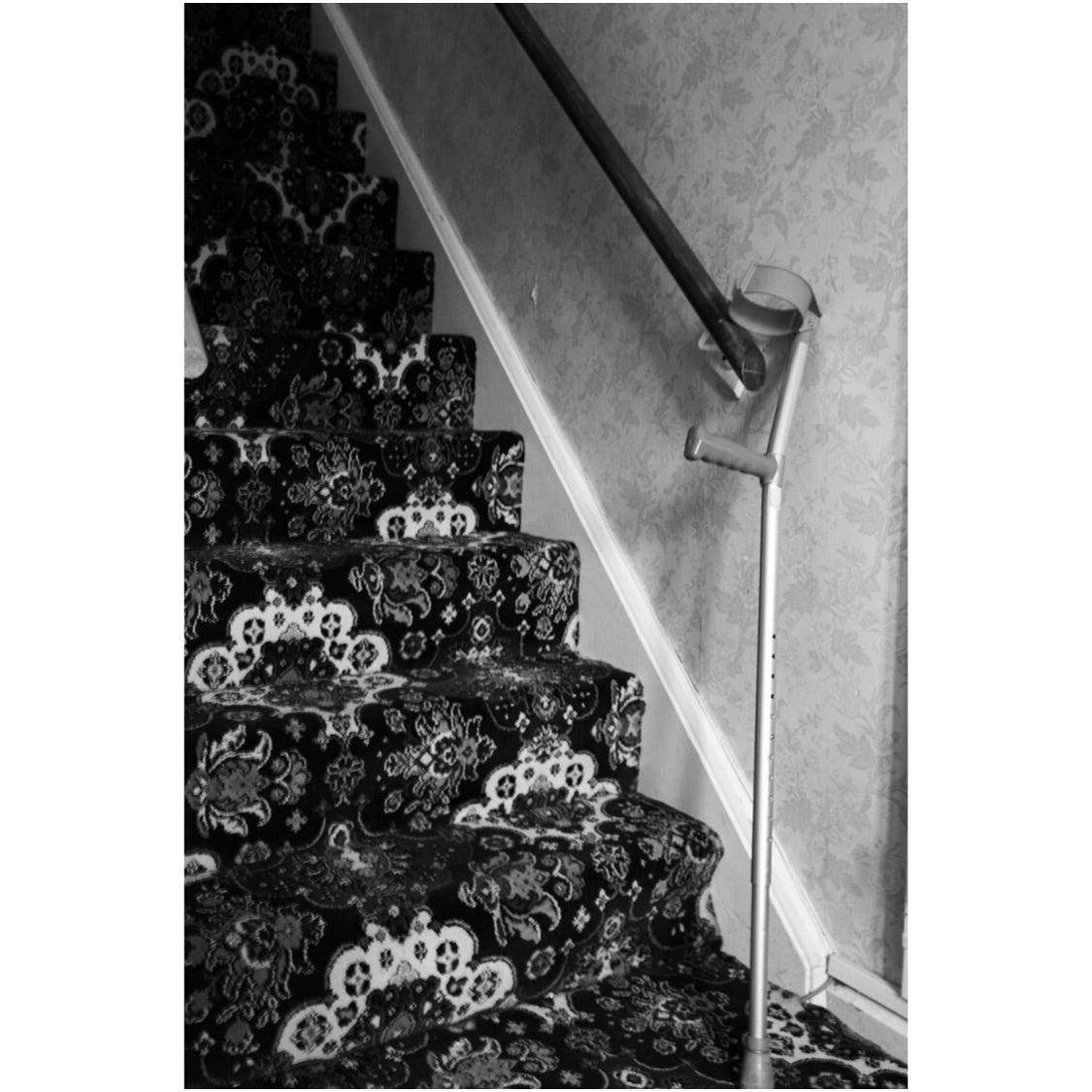


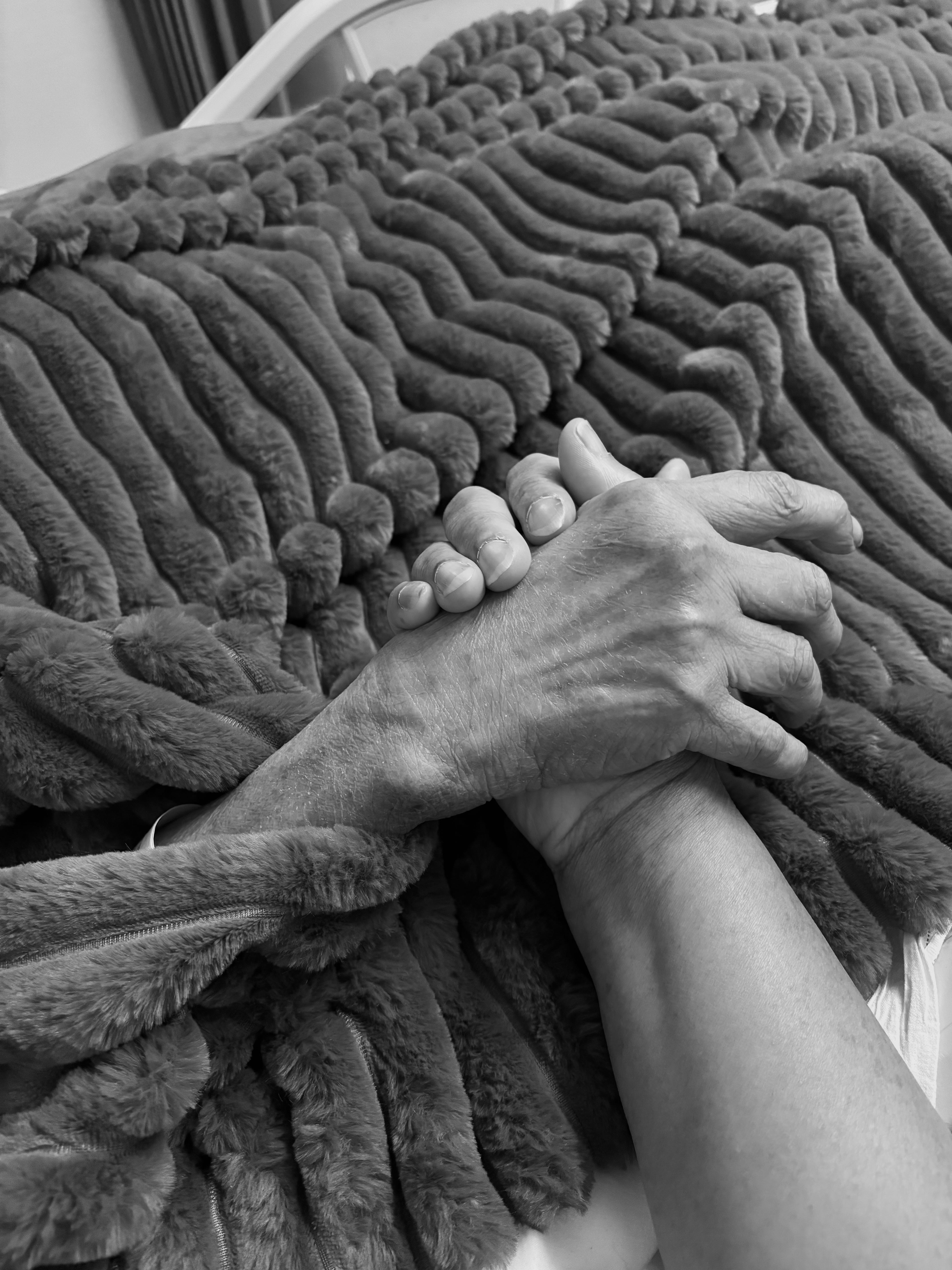
Let me tell you how much of a fraud I felt at that point because I knew there was no way that she was going to come back home. The level of care that she needed was beyond anything that my family could give. It had gone from the realms of personal care into 24 hours a day, seven days a week medical care, and we just could not support her the way that she needed to be. But I didn’t say that. I put on my own mask, and I lied right to her face, and said, Yeah, get your strength up, and we can see what we need to do to get you back home. She was no fool though. She knew she wouldn’t be coming back home. But neither of us said anything to the other. The kidney tumour that had quietly behaved itself for the past five years decided it was no longer playing ball. She was in pain and there was nothing that we could do.
During this period, I was navigating what was simply the worst job I’d ever had with the most toxic boss I’ve ever had.
It was a period of unrelenting stress; gaslighting, condescending colleagues, mood swings (Toxic Boss’s not mine), a compliment followed by weeks of psychological torment. The challenge to get up every day to go work, on site five days a week, then finish work to dash to the hospital to see my mum broke me. Friends and family kept urging me to quit as they could see how it was eroding my mental health. One day in late February after a deeply unpleasant few weeks at work, I went to visit Mum. Though her mental faculties were poor, she told me I looked “dreadful” (thanks, Mum!) and demanded an update. She listened as I relayed every detail, trying to hide my despair while tears ran down my face. She was livid. She became my feisty Jamaican mum again and let forth a stream of patois-laced invective that would make your hair stand on end, and basically threatened to drag herself out of her sick bed and go and see Toxic Boss and give “that woman”, well, I won’t repeat her actual words, but it pretty much amounted to a severe telling off. I laughed. Mum laughed. Despite all the pain and illness and decay, she was still my mum and still fiercely protective of her kids. When I got home that evening, I gave myself a severe talking to, some hard thinking time, and 24 hours later, I submitted my resignation email. The joy and the relief that I had was immense. I had no job to go to, but I didn’t care; I just needed to get out. I wanted to reset and I desperately needed some self-care. I thought how great it would be that I could be there for Mum and spend more time with her.
The universe, however, had a different plan.
Whilst on annual leave before my contract officially ended, I visited her and five minutes after I got there, she took her last breath. My family and I then had frenetic time putting together her funeral, clearing out her house, and dealing with her affairs. By the time you read this, that house will no longer be ours. There were 50 years of living in that house: three children, two grandchildren, friends, family, loved ones. It’s no longer our home, but just bricks and mortar.
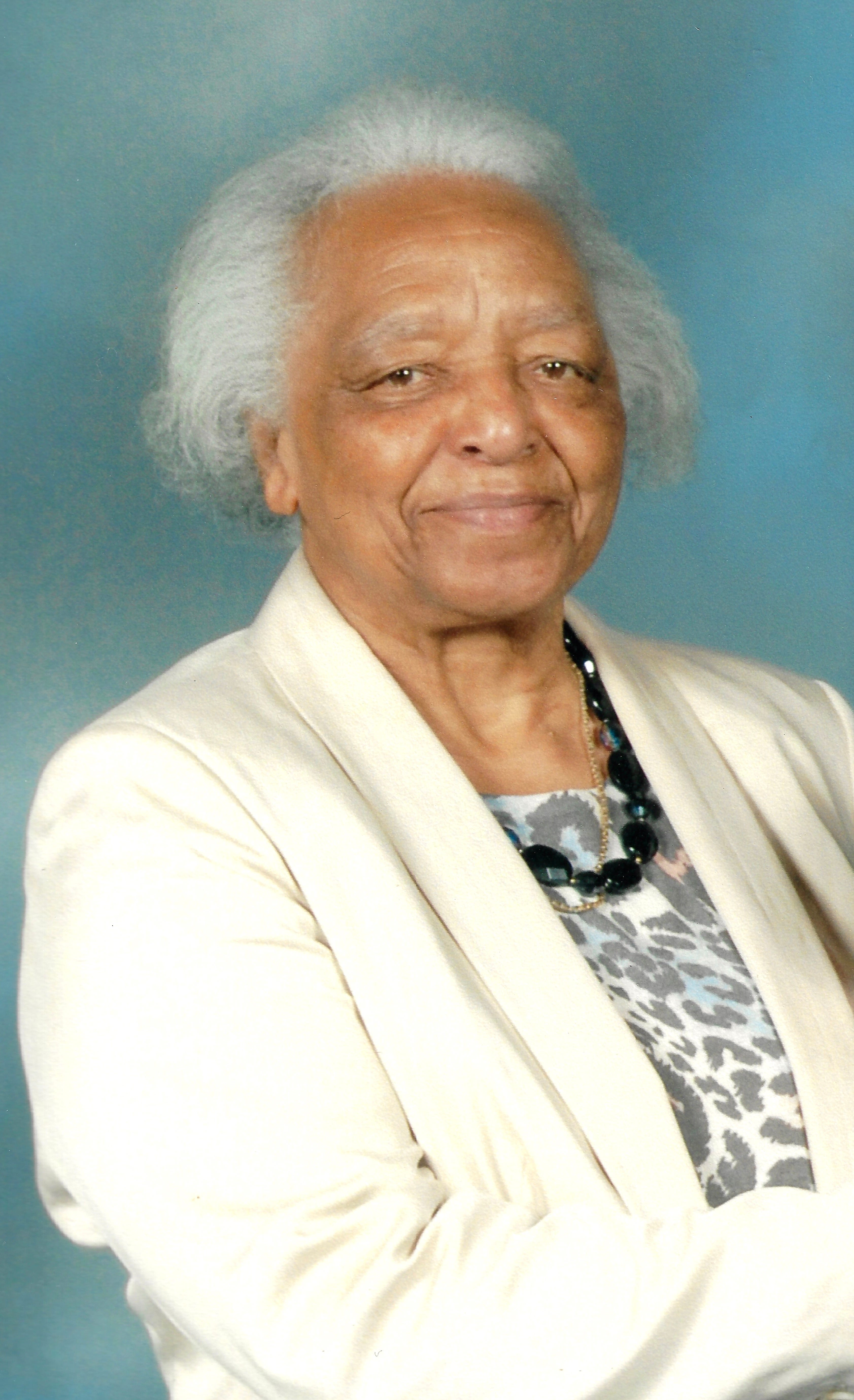
One of the last coherent things Mum said to me was to remember who I was, and never again remain in a situation that was wrong for me. She said she was so proud of me for getting a degree as a forty-something, and she knew I’d do something great with it. So this is me, pulling my finger out, making something, taking my own advice and trying to make her proud. Thanks, mum.
Thanks for reading.
I am very sorry for your loss!
I am so proud of you for writing so honestly about such an immensely difficult period in your life. You are one of the strongest women I know. Just as your mum did, I know how truly amazing, talented, and remarkable you are. Your courage shines through every word, and I have so much admiration for you. ❤️